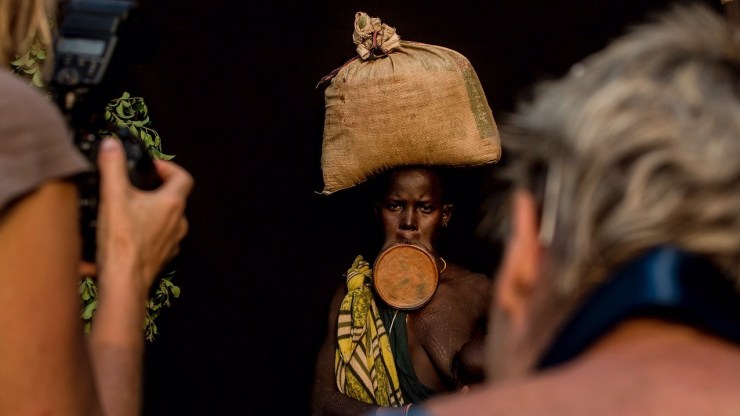
Tribes of Omo Valley
Itinerary
Day1 Addis Ababa
Day2 Jimma
Day3 Mizan Teferi
Day4 Kibish
Day5 Kibish
Day6 Kibish
Day7 Jimma
Day8 Arba Minch
Day9 Turmi
Day10 Turmi
Day11 Jinka
Day12 Arba Minch
Day13 Addis Ababa
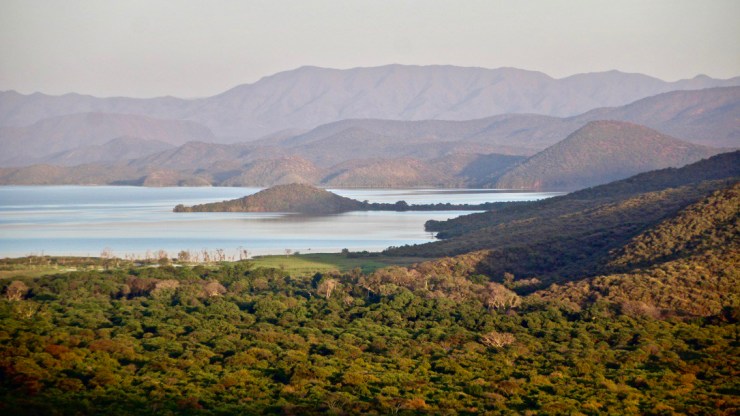
On Ethiopia’s southern border with Kenya lies lake Turkana-also know as the Jade Sea. Linking to the Omo River, and into the lower Omo basin of Ethiopia, a journey into the Omo Basin is a kaleidoscope of culture, tradition and terrain. This is a journey into one of Africa’s last unexplored frontiers, where tourists are still a rarity and where the wildlife is still wild. Omo valley is home to some of the last truly unchanged tribes-people within reach of the semi-civilized world.
Day 1
Addis Ababa: Lucy and Cathedrals
Upon arrival at Addis Ababa’s Bole International airport, you will be met by a Sanetti Adventures representative and transfer you to your hotel. Our Sanetti Adventures tour leader will welcome you here and discuss our exciting adventure together in more details. If time allows, depends on your flight, we will embark on an Addis city tour, places that we will visit include National Archaeological Museum holding Lucy, an early hominid whose fully preserved, 3.4 million years old skeleton; St. George’s Cathedral, designed in the traditional octagonal shape and built in 1896 to commemorate Ethiopia’s victory over Italians at the the battle of Adwa; Holy Trinity Cathedral, built in 1945 houses the tombs of the late Emperor Haile Selassie and his family, as well as the tomb of the English feminist Sylvia Pankhurst; Merkato, where the wares range from livestock to computers.
Day 1
Addis Ababa: Lucy and Cathedrals
Upon arrival at Addis Ababa’s Bole International airport, you will be met by a Sanetti Adventures representative and transfer you to your hotel. Our Sanetti Adventures tour leader will welcome you here and discuss our exciting adventure together in more details. If time allows, depends on your flight, we will embark on an Addis city tour, places that we will visit include National Archaeological Museum holding Lucy, an early hominid whose fully preserved, 3.4 million years old skeleton; St. George’s Cathedral, designed in the traditional octagonal shape and built in 1896 to commemorate Ethiopia’s victory over Italians at the the battle of Adwa; Holy Trinity Cathedral, built in 1945 houses the tombs of the late Emperor Haile Selassie and his family, as well as the tomb of the English feminist Sylvia Pankhurst; Merkato, where the wares range from livestock to computers.
Day2
Jimma: Regional Capital
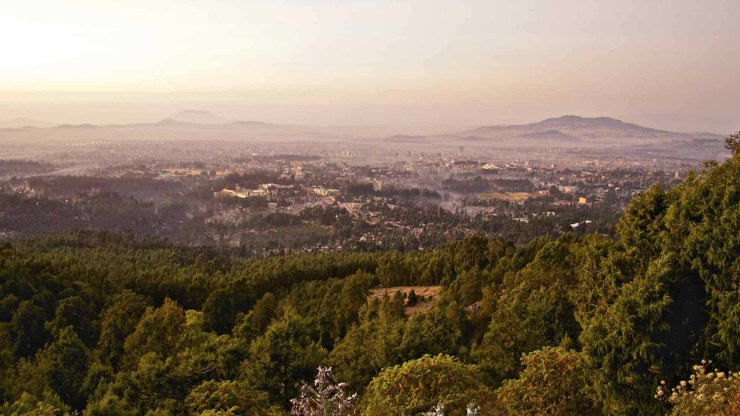
In the morning, we will finish our city tour from Day1 and after lunch, fly to Jimma, our destination for the evening, home of coffee. This evening, gather with fellow guests for an informative talk about Omo valley tribes and their lives.
Day3
Mizan Teferi: Coffee Land
Continuing the southwest rout from Jimma to Mizan Teferi, the scenery on this drive is made up of a mosaic of forest and cultivated land dominated by coffee, tea and various spices. Our leader will stopped as you want for photographs.
Jimma: Regional Capital
In the morning, we will finish our city tour from Day1 and after lunch, fly to Jimma, our destination for the evening, home of coffee. This evening, gather with fellow guests for an informative talk about Omo valley tribes and their lives.
Day3
Mizan Teferi: Coffee Land
Continuing the southwest rout from Jimma to Mizan Teferi, the scenery on this drive is made up of a mosaic of forest and cultivated land dominated by coffee, tea and various spices. Our leader will stopped as you want for photographs.

Day4
Kibish: Bebeka Coffee Farm and Suri Tribe
Today we are heading deep into the little visited part of southwestern Ethiopia. En route we will pass through Bebeka coffee plantation (about 30km outside of Mizan), which is the largest and oldest coffee plantation in Ethiopia. Much of the focus today is Suri people who due to their remoteness are one of the least visited Omo Valley’s tribes and we will be camping for the next three nights in Kibish.
Formally nomadic pastoralists, Suri now largely depend on the subsistence cultivation of sorghum and maize. Suri have a fearsome reputation as warriors, and fights against Bumi tribe, their sworn enemies, still occur.
Day5
Kibish: Extraordinary pictures
Full day to explore and photograph fascinating Suri, making the most of our time in this remote area.
Kibish: Bebeka Coffee Farm and Suri Tribe
Today we are heading deep into the little visited part of southwestern Ethiopia. En route we will pass through Bebeka coffee plantation (about 30km outside of Mizan), which is the largest and oldest coffee plantation in Ethiopia. Much of the focus today is Suri people who due to their remoteness are one of the least visited Omo Valley’s tribes and we will be camping for the next three nights in Kibish.
Formally nomadic pastoralists, Suri now largely depend on the subsistence cultivation of sorghum and maize. Suri have a fearsome reputation as warriors, and fights against Bumi tribe, their sworn enemies, still occur.
Day5
Kibish: Extraordinary pictures
Full day to explore and photograph fascinating Suri, making the most of our time in this remote area.

Day6
Kibish: Donga
Suri people is famous for their stick fighting, known a Donga. We will be exceptionally fortunate to witness such a contest, but our local guide will keep an ear to the ground and with luck, we may be able to attend such an event.
The ‘Donga’, or stick fight, is practiced by Suri tribesmen at the end of each harvest. It combines combat with ritual and sport and aims to get young men used to bloodshed which leaders believe comes in handy if they clash with other tribes. Before a Donga, some Suri drink the fresh blood of their cattle. A warrior will make a small incision in the cow’s carotid artery with a special sharp arrow. The tribe believe it to be full of vitamins to give fighters strength. The one-on-one battles take place between different Suri villages with around 20 to 30 fighters on each side. The fights can be furious and can result in death, but there are also rules in place enforced by a referee.
Day7
Jimma: Regional Capital
After breakfast, whole day driving back to Jimma
Kibish: Donga
Suri people is famous for their stick fighting, known a Donga. We will be exceptionally fortunate to witness such a contest, but our local guide will keep an ear to the ground and with luck, we may be able to attend such an event.
The ‘Donga’, or stick fight, is practiced by Suri tribesmen at the end of each harvest. It combines combat with ritual and sport and aims to get young men used to bloodshed which leaders believe comes in handy if they clash with other tribes. Before a Donga, some Suri drink the fresh blood of their cattle. A warrior will make a small incision in the cow’s carotid artery with a special sharp arrow. The tribe believe it to be full of vitamins to give fighters strength. The one-on-one battles take place between different Suri villages with around 20 to 30 fighters on each side. The fights can be furious and can result in death, but there are also rules in place enforced by a referee.
Day7
Jimma: Regional Capital
After breakfast, whole day driving back to Jimma
Day8
Arba Minch:
Start early in the morning and drive to Arba Minch.
Arba Minch:
Start early in the morning and drive to Arba Minch.
Day9
Turmi: Hamar and bulls jumping
Start early in the morning and drive to Turmi town, where is Hammer Tribe inhabited territory. Hamar are subsistence agropastoralists. They cultivate sorghum, vegetables, millet, tobacco and cotton, as well as rear cattle and goats. Hamar are especially well known for their unique rituals, such as bull jumping ceremony that a right passage into manhood for all young Hamar boys and Evangadi dancing. These are truly the sights to behold. Whipping, teasing, screaming and a whole lot of leaping are part of bulls jumping ceremony. After bulls lined up side by side, bulls number depending on family wealth, the naked boy must leap down the line of bulls, jumping on the beasts from back to back. If he falls, he is whipped and teased by women. If he succeed, he must turn around and complete the task three more times. During the ceremony young female relatives of the boy beg to be whipped; the deeper their scars, the more love they show for their boy. Evangadi is Hamar night dance could be seen or organised.
Turmi: Hamar and bulls jumping
Start early in the morning and drive to Turmi town, where is Hammer Tribe inhabited territory. Hamar are subsistence agropastoralists. They cultivate sorghum, vegetables, millet, tobacco and cotton, as well as rear cattle and goats. Hamar are especially well known for their unique rituals, such as bull jumping ceremony that a right passage into manhood for all young Hamar boys and Evangadi dancing. These are truly the sights to behold. Whipping, teasing, screaming and a whole lot of leaping are part of bulls jumping ceremony. After bulls lined up side by side, bulls number depending on family wealth, the naked boy must leap down the line of bulls, jumping on the beasts from back to back. If he falls, he is whipped and teased by women. If he succeed, he must turn around and complete the task three more times. During the ceremony young female relatives of the boy beg to be whipped; the deeper their scars, the more love they show for their boy. Evangadi is Hamar night dance could be seen or organised.

Day10
Turmi: Karo and Dhasanech
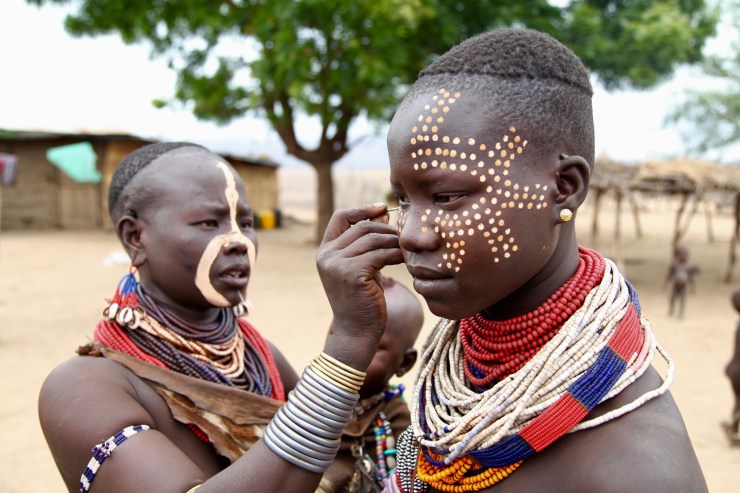
Today we will visit Karo and Dhasanech. Karo are thought to be the most endangered group. In appearance, language and tradition, they slightly resemble the Hamar, to whom they are related. Karo are masters of body painting, particularly when preparing for a celebration. Most famously, chalk is used to imitate the spotted plumage of the guinea fowl. Dhasanech are a primarily agropastoral people, they grow sorghum, maize, pumpkins and beans when the Omo river and its delta floods. Otherwise they rely on goats and cattle. The Dhasanech who herd cattle live in dome-shaped houses made from a frame of branches, covered with hides and woven boxes. The huts have a hearth, with mats covering the floor used for sleeping. Lower class, are people who have lost their cattle and their way of living. They live on the shores of Lake Turkana hunting crocodiles and fishing.Women are circumcised and who are not are called animals or boys and can’t get married or wear clothes.
Turmi: Karo and Dhasanech
Today we will visit Karo and Dhasanech. Karo are thought to be the most endangered group. In appearance, language and tradition, they slightly resemble the Hamar, to whom they are related. Karo are masters of body painting, particularly when preparing for a celebration. Most famously, chalk is used to imitate the spotted plumage of the guinea fowl. Dhasanech are a primarily agropastoral people, they grow sorghum, maize, pumpkins and beans when the Omo river and its delta floods. Otherwise they rely on goats and cattle. The Dhasanech who herd cattle live in dome-shaped houses made from a frame of branches, covered with hides and woven boxes. The huts have a hearth, with mats covering the floor used for sleeping. Lower class, are people who have lost their cattle and their way of living. They live on the shores of Lake Turkana hunting crocodiles and fishing.Women are circumcised and who are not are called animals or boys and can’t get married or wear clothes.
Day11
Jinka: Mursi
Further time will be spent visiting villages around today, where we will get more opportunities to capture these interesting people, before later continuing onward to Jinka, where we will be staying for the night.
Day12
Arba Minch: Mursi
We will have an early morning start as we enter Mago National Park in order to reach the Mursi Tribe while the light is still soft. Mursi are mainly pastoralists who move according to the seasons between the lower Tama plains and the Mursi hills in Mago National Park. The Most famous Mursi tradition is the lip-plates worn by women. Made of clay and up to 15cm in diameter, the plates are inserted into a slit separating their lower lip and jaw. Due to the obvious discomfort, women only wear them occasionally, leaving their distended lips swaying below their jaw.
After a morning’s photographic session for the Mursi, our incredible time in the lower Omo Valley comes to an end and we drive northeast back to Arba Minch. En route we will stop at Konso, a small town famed for its amazing terraces and agriculture, and recognized as an UNESCO World Heritage Site. The Konso tribe migrated into this area thousands of years ago, and from these stone-age beginnings their remarkable culture developed in virtual isolation. They have led a largely independent existence, rarely involving themselves in trade with other communities, and have defended their lands fiercely. Their fortifications will be evident when we visit one of their walled villages. A community guide who will explain and demonstrate the fascinating lifestyle, beliefs and traditions of these industrious people, will guide us through this experience. Late in the afternoon, we will return back to Arba Minch.
Jinka: Mursi
Further time will be spent visiting villages around today, where we will get more opportunities to capture these interesting people, before later continuing onward to Jinka, where we will be staying for the night.
Day12
Arba Minch: Mursi
We will have an early morning start as we enter Mago National Park in order to reach the Mursi Tribe while the light is still soft. Mursi are mainly pastoralists who move according to the seasons between the lower Tama plains and the Mursi hills in Mago National Park. The Most famous Mursi tradition is the lip-plates worn by women. Made of clay and up to 15cm in diameter, the plates are inserted into a slit separating their lower lip and jaw. Due to the obvious discomfort, women only wear them occasionally, leaving their distended lips swaying below their jaw.
After a morning’s photographic session for the Mursi, our incredible time in the lower Omo Valley comes to an end and we drive northeast back to Arba Minch. En route we will stop at Konso, a small town famed for its amazing terraces and agriculture, and recognized as an UNESCO World Heritage Site. The Konso tribe migrated into this area thousands of years ago, and from these stone-age beginnings their remarkable culture developed in virtual isolation. They have led a largely independent existence, rarely involving themselves in trade with other communities, and have defended their lands fiercely. Their fortifications will be evident when we visit one of their walled villages. A community guide who will explain and demonstrate the fascinating lifestyle, beliefs and traditions of these industrious people, will guide us through this experience. Late in the afternoon, we will return back to Arba Minch.

Day13
After breakfast we will depart for Arba Minch to catch our flight back to Addis Ababa.
We will be met at the airport and driven to hotel for day rooms. This will allow you to freshen up, relax and have a meal before being transferred to Bole International Airport for your late evening flight.
After breakfast we will depart for Arba Minch to catch our flight back to Addis Ababa.
We will be met at the airport and driven to hotel for day rooms. This will allow you to freshen up, relax and have a meal before being transferred to Bole International Airport for your late evening flight.
 Sanetti Adventures